
Mexico is a country with unparalleled historical and cultural richness, home to some of the most fascinating civilizations of the ancient world, like the Maya, Aztecs, Toltecs, and Zapotecs. If you love history, adventure, and mystery, touring the archaeological zones of Mexico is an experience you can’t miss.
So, in this article we’re sharing 10 must-visit destinations where you can explore archaeological sites, discover historical monuments, and connect with the past of pre-Hispanic cultures.
Which archaeological zones in Mexico should you visit?
1. Chichén Itzá, Yucatán
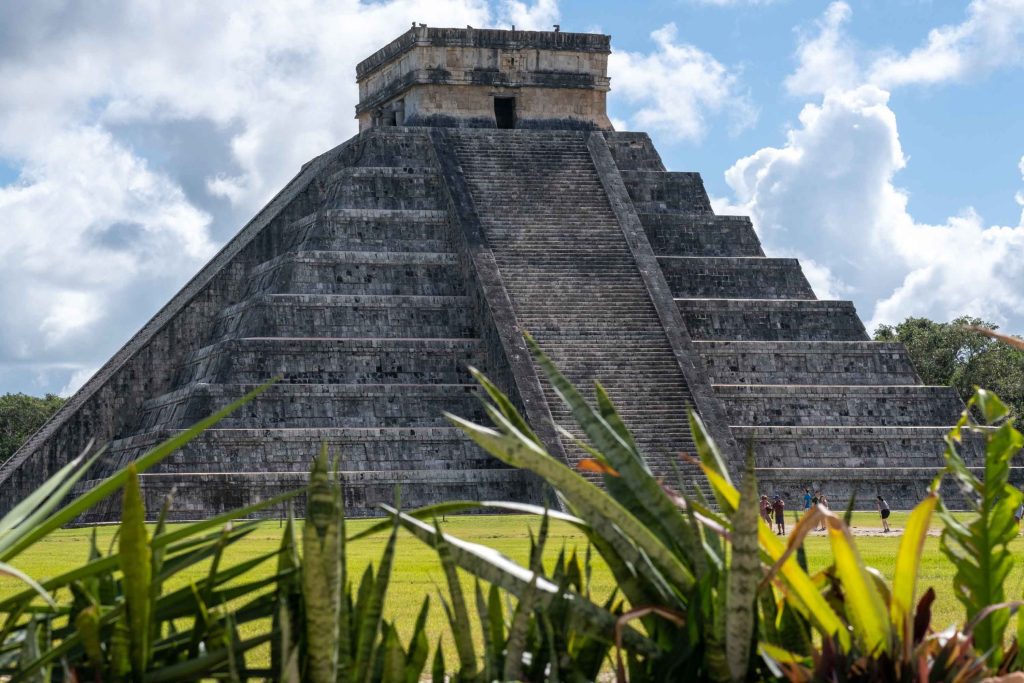
Chichén Itzá is one of Mexico’s most emblematic archaeological sites and a UNESCO World Heritage Site. This ancient Mayan ceremonial center is famous for the imposing Pyramid of Kukulcán, which during the equinoxes creates the optical effect of a serpent descending the steps.
What to see:
- The Pyramid of Kukulcán.
- The Temple of the Warriors.
- The Sacred Cenote.
Tip: If you want to avoid crowds, visit Chichén Itzá first thing in the morning, or enjoy the impressive night videomapping, a magical way to experience the site’s history and splendor.
2. Teotihuacán, State of Mexico
Located just 31 miles from Mexico City, Teotihuacán is one of the archaeological zones near Mexico City most visited. Known as “the city where men become gods,” it features impressive pyramids and avenues.
What to see:
- The Pyramid of the Sun, the third-largest in the world.
- The Pyramid of the Moon.
- The Avenue of the Dead.
Tip: You can fly over the site in a hot-air balloon for spectacular views.
3. Palenque, Chiapas
In the middle of Chiapas’s lush jungle lies Palenque, one of the most important Mayan historical monuments. Its architecture and reliefs will transport you to pre-Hispanic times.
What to see:
- The Temple of the Inscriptions, where King Pakal’s tomb was found.
- The Palace.
- Agua Azul waterfalls, near the site.
Tip: Wear light clothing and insect repellent—the climate’s usually warm and humid.
4. Monte Albán, Oaxaca
Monte Albán is one of the most significant archaeological sites of the Zapotec culture. From the top, you’ll enjoy a panoramic view of the Oaxaca Valley.
What to see:
- The Great Plaza.
- The Ball Court.
- Zapotec tombs.
Tip: Take advantage of your visit to tour downtown Oaxaca, famous for its gastronomy and crafts.
5. Uxmal, Yucatán
Uxmal is a gem of Mayan architecture, famous for its buildings decorated with geometric mosaics. Its most iconic structure is the Pyramid of the Magician, with an unusual oval base.
What to see:
- The Pyramid of the Magician.
- The Nunnery Quadrangle.
- The Governor’s Palace.
Tip: Go to the night light-and-sound show to learn more about the site’s history.
6. Tulum, Quintana Roo
Facing the Mexican Caribbean, Tulum is one of Mexico’s most photogenic historical monuments. This walled Mayan city combines history and natural beauty.
What to see:
- El Castillo, with spectacular sea views.
- The Temple of the Wind God.
- The nearby paradise beaches.
Tip: Bring a swimsuit, you can swim at the beach just below the archaeological zone.
7. The Explorean Kohunlich, Quintana Roo
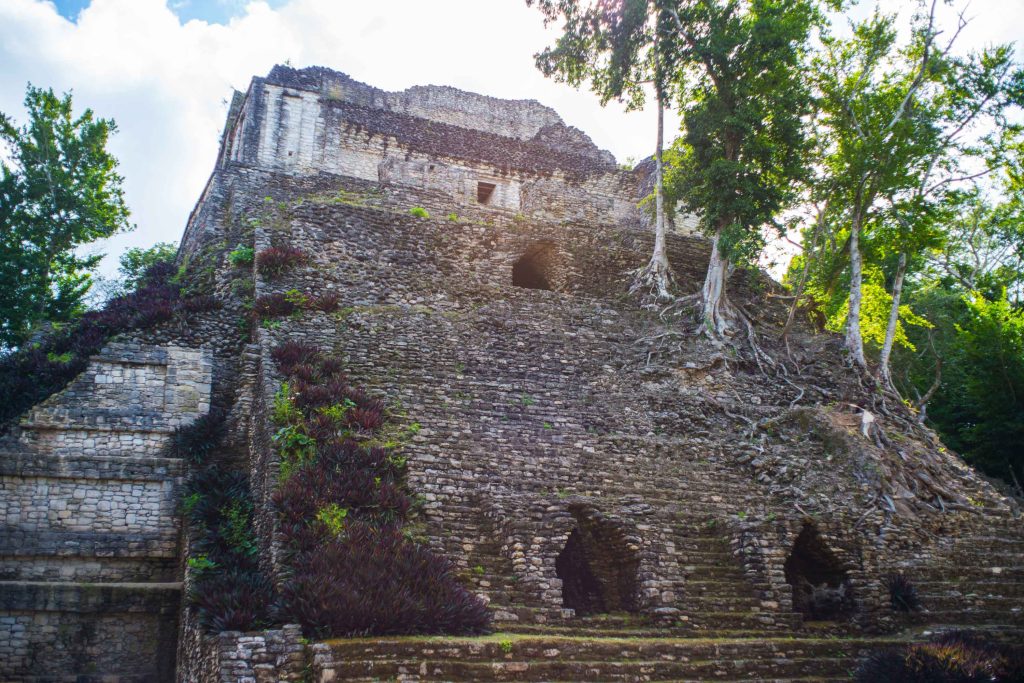
If you’re looking for ecotourism activities combined with history, the The Explorean Kohunlich is the perfect option. This hotel, surrounded by jungle, offers guided excursions to the Kohunlich archaeological site.
What to see:
- The Temple of the Masks, with impressive stucco sculptures.
- Mayan residential areas.
- Hiking and biking activities organized by the hotel.
Tip: Staying at The Explorean Kohunlich lets you enjoy personalized experiences like exclusive guided tours.
8. Calakmul, Campeche
Located in the Calakmul Biosphere Reserve, this ancient Mayan city is a less-visited but impressive archaeological site.
What to see:
- Twin pyramids.
- The Great Plaza.
- The reserve’s flora and fauna.
Tip: Wear comfortable shoes, the route is long and the area is jungle.
9. Coba, Quintana Roo
Cobá is an ancient Mayan city famous for its Nohoch Mul pyramid, the tallest in the Yucatán Peninsula. The archaeological site is surrounded by lagoons and jungle.
What to see:
- The Nohoch Mul pyramid.
- The network of sacbés (white roads) connecting the structures.
- The area’s natural beauty.
Tip: You can tour the site by bicycle or tricycle to save energy.
10. Tula, Hidalgo
Tula was the capital of the ancient Toltec empire and is famous for its Atlanteans — huge warrior sculptures guarding the site.
What to see:
- The Atlanteans of Tula, 14-foot-tall figures.
- Pyramid B, also known as the Temple of Tlahuizcalpantecuhtli.
- The Burned Palace.
Tip: This is another archaeological site near Mexico City, perfect for a day trip. Exploring Mexico’s archaeological zones is an enriching experience that connects you with the country’s history and culture. From the majesty of Chichén Itzá to the hidden beauty of Kohunlich, every destination offers a unique adventure. Get your camera ready and live history firsthand!